
Analysis
Colombia’s runoff election this month between Trump-like candidate and Cepeda
In absolute terms, Cepeda's result cannot be considered a defeat. The progressive candidate garnered over a million more votes than Gustavo Petro did in the first round of the 2022 elections.
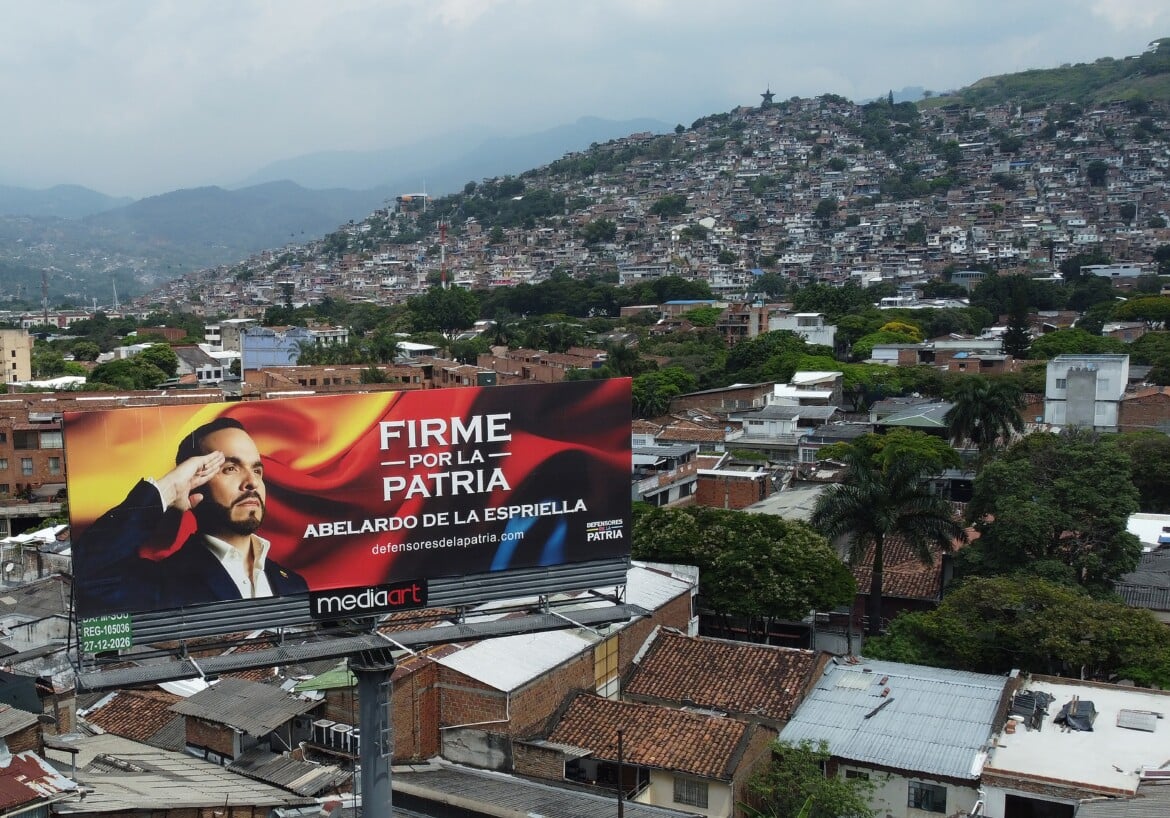
The Pacto Histórico and the Colombian progressive movement were hoping to win the presidency in the first round. Polls had Iván Cepeda nearing 50 percent support, and divisions within the far right suggested a favorable outcome. Yet with 99 percent of polling stations counted, the wild card turned out to be Abelardo de la Espriella.
The outsider – who has never held public office and openly draws inspiration from figures like Nayib Bukele, Javier Milei and Donald Trump – managed in a short time to rally the conservative electorate around him and sweep aside the competition from the other far-right candidate, Paloma Valencia. His aggressive, macho communication strategy – which went as far as declaring he would do everything possible to “gut” leftists – ultimately paid off. Conversely, Valencia's decision to shift toward the center pushed her electorate to redirect their votes to De la Espriella.
Cepeda not only failed to win in the first round, but finished second. De la Espriella received 10,361,499 votes, or 43.74 percent of the vote, compared to Cepeda's 9,688,361 votes (40.90 percent). An enormous gap separates the two from the other contenders: Valencia, with 1,639,685 votes (6.92 percent), and Sergio Fajardo at 1,009,073 votes (4.26 percent).
In absolute terms, Cepeda's result cannot be considered a defeat. The progressive candidate garnered over a million more votes than Gustavo Petro did in the first round of the 2022 elections, a figure that confirms the growth in numbers of the progressive camp. No other leader of the Colombian left has ever achieved a similar result in the country's republican history. On a political and symbolic level, however, De la Espriella taking top spot was difficult to predict and comes as a cold shower. Up until just a few days ago, Cepeda was firmly leading in all the polls, backed by a solid and well-organized political movement, rooted in the local territory and supported by the work in government during the last four years.
As soon as the results came in, Valencia and Álvaro Uribe – the historic leader of Colombia's far right and two-time president – immediately declared their support for De la Espriella. Congratulatory messages also poured in from abroad from Argentine President Javier Milei and Santiago Abascal, the leader of the Spanish far-right party Vox, who praised his battle against “socialism” and in defense of “freedom.”
Just minutes after the National Civil Registry released the results, President Gustavo Petro publicly denounced irregularities in the electoral process. “As president, I do not accept the pre-count results from the private firm of the Bautista brothers,” he declared, claiming that approximately 800,000 ID cards belonging to people not on the official electoral roll had been added. Petro stated that he will only recognize the results certified by the oversight commissions led by judges.
In a speech that was unprecedented in both tone and content, Cepeda reiterated the president's accusations, adding that “atypical voting” had been reported in several polling stations and that these anomalies must be subjected to thorough verification. There seemed to be initial corroboration for these accusations in the many reports received by the Registry, accompanied by images showing the tampering of ballots and voting records in favor of De la Espriella. The Attorney General's Office also announced that at least 77 people reported as missing (desaparecidos) appear in the electoral registers as having voted.
For the first time, Cepeda launched a frontal attack against De la Espriella, calling him “a fascist and a mafioso,” “a misogynist and a homophobe” and “a politician with paramilitary links and a drug trafficker.” The progressive candidate also denounced foreign interference in the electoral process, implicating Ecuadorian President Daniel Noboa, and issued an appeal against the fascist threat that De la Espriella represents.
In the June 21 runoff, Cepeda and De la Espriella will face off for the presidency. On one side is the continuation of the Pacto Histórico's progressive project, based on social reforms, peace policies and the expansion of rights. On the other is the rise of a leader closely aligned with the MAGA movement, a supporter of war and securitarian policies, a proponent of expanding extractive activities at the cost of environmental destruction and someone openly hostile to the demands of minorities and dissidents.
The outcome of the elections will depend entirely on the Pacto Histórico's ability to convince moderates and first-round abstainers that the advance of a neo-fascist project poses a risk to the stability of Colombian democracy. Four years ago, the Pacto Histórico succeeded in doing just that. In the first round, Petro took first place, but the distribution of votes between the progressive side and the conservative and reactionary one was not very different from the current one. The game will be decided in these final weeks of the electoral campaign.
Originally published at https://ilmanifesto.it/elezioni-la-colombia-si-ribalta-il-primo-turno-va-al-trumpiano on 2026-06-02