
Interview
Antonio Di Franco: The government’s budget ‘isn’t out of touch, it’s a provocation’
‘This is a budget law that concentrates resources on financing arms: this is the theme. We’re asking for solutions on healthcare, on workplace accidents, on pensions.’
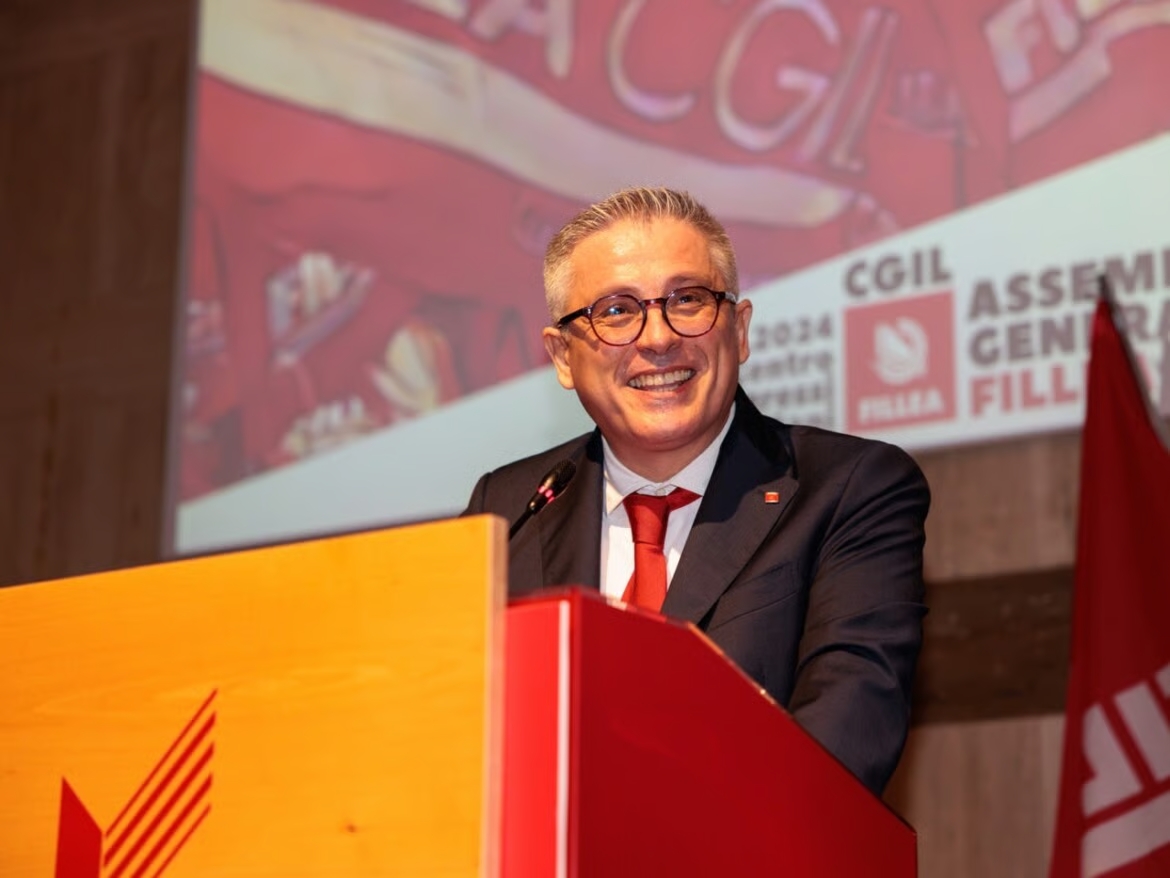
We interviewed Antonio Di Franco, General Secretary of the CGIL construction workers’ union (Fillea).
Mr. Di Franco, the march in Rome on Friday is set to end at the Torre dei Conti, which collapsed on November 3 killing a construction worker, Octav Stroici, who was working on the monument’s restoration. What signal do you want to send?
Stroici’s story stands for everything that is wrong with the budget law. Because it is the story of so many other workers – not just in construction – who are dying on the job. And it is the story of people over 60 who are forced to keep working on construction sites, on one hand because of the Fornero law, which raised the retirement age – and which this government has pushed further instead of repealing it; and on the other, because of the impossibility of retiring on a paltry pension. This doesn’t just concern construction workers: the firefighters who put their lives at risk after the collapse are also retiring later.
The Senate has passed the decree on workplace safety, which Labor Minister Marina Calderone claims is nothing less than a “paradigm shift.” Do you agree?
No. It won’t save anyone’s life; it doesn’t address the real problems. The points-based safety license has been a flop, as the data show: half of the companies obliged by law to set up this system haven’t done so. Construction site badges are also an issue that needs to be addressed at a deeper level, because if the government thinks it’s enough to change the badge from physical to a digital format, they’ve lost the plot entirely. And there is no trace of free legal aid for victims’ families, which is crucial. And no justice system reform. Last week, the widow of a worker who died on the job told me she couldn’t afford a technical consultant to counter the claims of an industrial giant during the trial because she wouldn’t have been able to buy groceries: it’s a disgrace. They tell us they’ve “changed the paradigm” on safety, and in the meantime they’re trying to bring the National Labor Inspectorate under the control of political power – that is, of the Ministry – taking away the independence of the oversight authorities in this country. It’s an outrage.
In the strike platform, the topics of inadequate wages and the working poor are also strongly emphasized.
The government has given nothing when it comes to wages. It’s offering a 6% increase for all public employees, so not making up for inflation, which is at 20%. There are only handouts that will not make a dent in how hard it is for workers and pensioners to get to the end of the month. By political will, this is a budget law that concentrates resources on financing arms: this is the theme. While we’re asking for solutions on healthcare, on workplace accidents, on pensions, the government wants to raise the limit of cash transactions to €10,000. It isn’t just about being out of touch with the country; it’s a provocation. This is the image that comes to me: maybe their intention is to take care of those who need to pay the 3 million undeclared workers according to ISTAT figures, doing a favor for those who are trying to do business outside the rules, to those who are investing in exploitation.
Vice-prime minister Salvini is attacking the CGIL because of striking on a Friday [translator’s note: a recurring accusation that the strike is intended to give the striking workers a long weekend].
I don’t know what country he lives in. In ours, 30.9% of workers have shifts on the weekend too; the European average is 22.4%. At this moment, the attitude of the institutions – so aggressive toward democratic processes – might be the most dangerous element in a society in great difficulty, where redundancies are increasing, there is no industrial policy and the pension system is at risk. The government is failing to understand that Trumpist thinking aims at eliminating what distinguishes Europe in particular: welfare, health care and public education.
Originally published at https://ilmanifesto.it/lavoro-povero-e-insicuro-destra-senza-risposte on 2025-12-12